Tiered Loyalty Frameworks Linking Video Reel Spins to Table Results and Sports Markets Through Accumulated Rewards
Felix Schröder · Jun 28, 2026
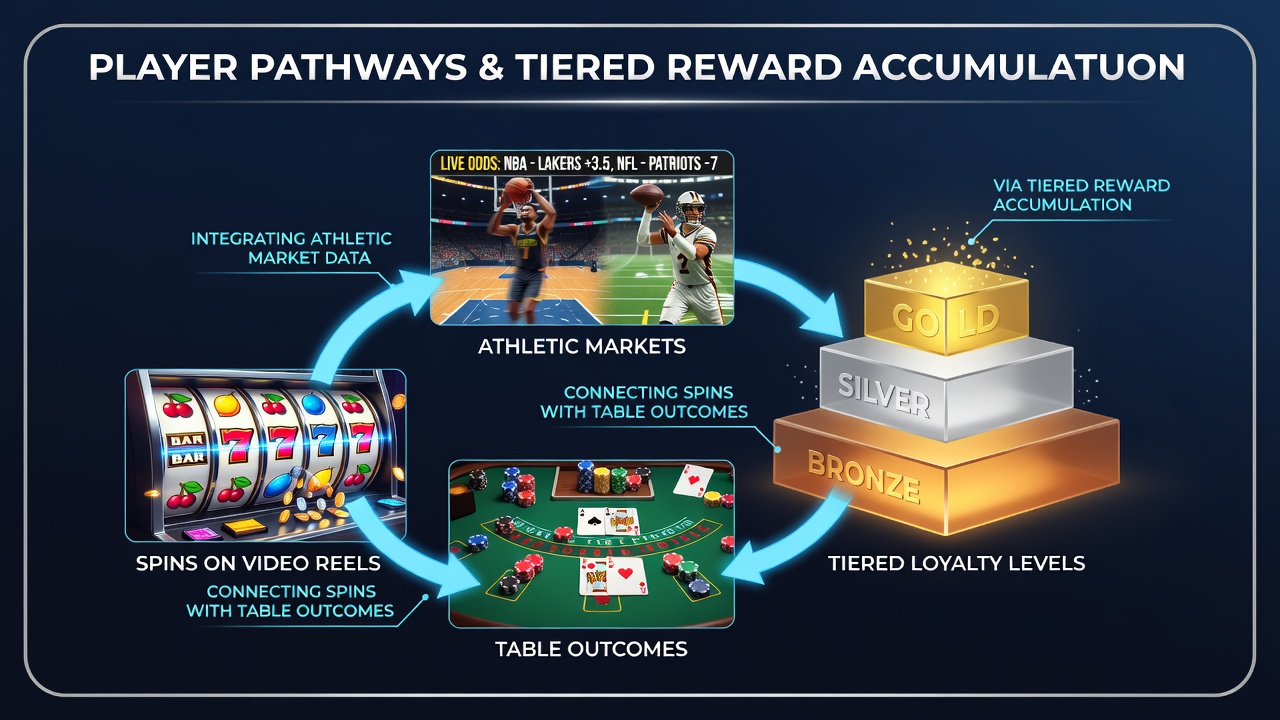
Tiered Loyalty Frameworks Linking Video Reel Spins to Table Results and Sports Markets Through Accumulated Rewards
Operators structure tiered loyalty programs to track player activity across video reels, table outcomes, and athletic markets, allowing points earned in one area to influence rewards in others. Data from multiple regions shows these frameworks create pathways where spins on video reels generate base points that carry over to table game sessions and sports wagers, while table results and betting markets feed back into the same accumulation system. Research indicates that such integration occurs through centralized account tracking, where each action updates a shared balance visible to the player in real time.
Mechanics of Point Accumulation Across Game Types
Points typically accrue at different rates depending on the activity. Video reel spins contribute through wager volume, whereas table outcomes add value based on time spent or average bet size. Athletic markets contribute via settled wagers, and these contributions combine into a single tier level that unlocks benefits like cashback percentages, event access, or accelerated earning rates. Observers note that operators adjust multipliers during promotional periods, such as those scheduled for June 2026, to align with seasonal sports calendars or new game releases, ensuring the pathways remain active across all three categories.
One study from the University of Nevada, Reno examined how loyalty tiers influence cross-category play, revealing that players reaching mid-tier status increased engagement with table games after initial activity on video reels. The same analysis found that sports market participation rose once table outcomes pushed accounts into higher tiers, because those tiers offered bonus funds applicable to live event betting. Figures from that report show average point conversion rates varying between 1:1 for base activities and 3:1 when combined across multiple game types within a single session.
Pathway Examples in Practice
Consider a player who begins with video reel spins, earning enough points to enter the bronze tier. At that level, table game play receives an automatic multiplier on points, which in turn qualifies the account for enhanced odds boosts in athletic markets. Researchers at the Alberta Gambling Research Institute documented similar sequences, where participants moved from reel-based accumulation to table results within two weeks, then applied the resulting tier status to sports wagers during major league seasons. Those patterns demonstrate how the structure encourages movement between categories without requiring separate accounts or manual transfers.
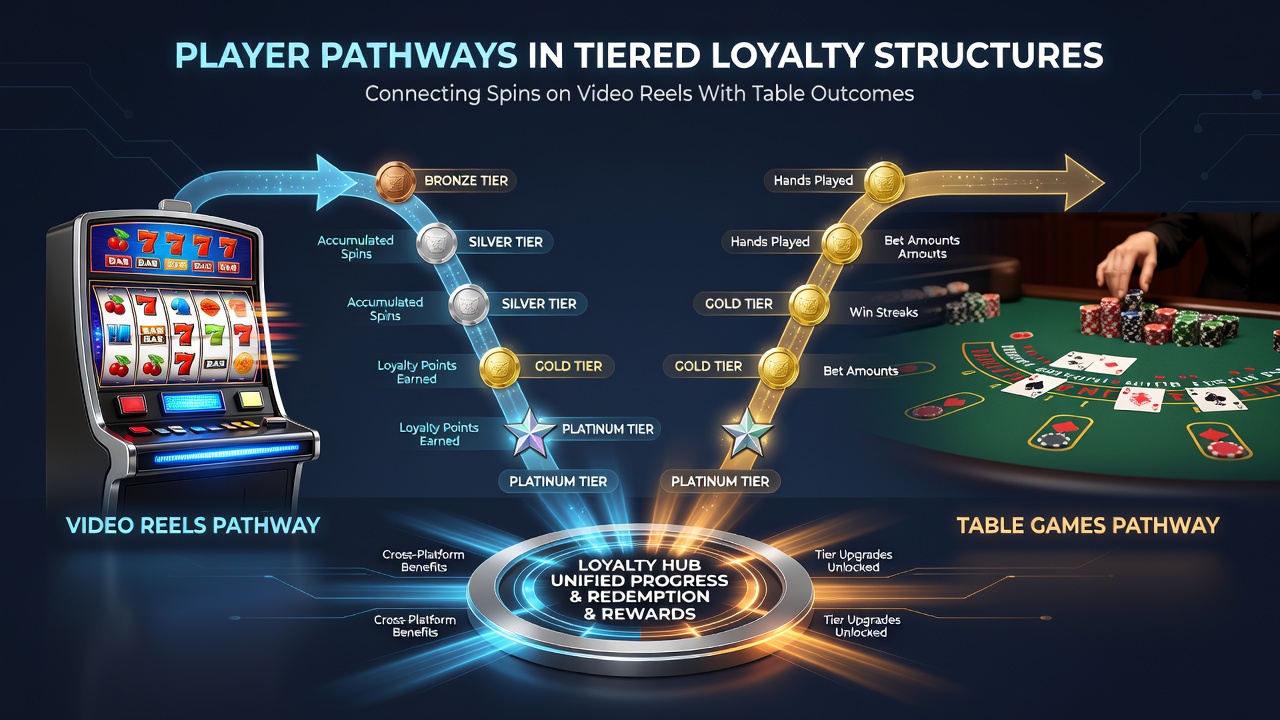
Industry reports from the European Gaming and Betting Association highlight that pathways become more pronounced at gold and platinum tiers, where players gain access to personalized offers that blend elements from all three areas. For instance, a single reward package might include free spins on video reels, a table game match bonus, and a sports market accumulator boost, all derived from the same accumulated balance. Data indicates these bundled rewards increase the frequency of cross-category sessions compared to single-category programs.
Regional Variations in Implementation
Implementation differs by jurisdiction. In parts of Canada, provincial regulators require clear disclosure of how points convert across categories, while Australian state authorities focus on responsible play limits tied to tier progression. The Nevada Gaming Control Board oversees similar structures in the United States, emphasizing that tier benefits must remain consistent regardless of the originating activity. These variations affect how quickly players advance and how rewards from video reels translate to table outcomes or athletic markets, yet the core mechanism of unified accumulation stays consistent.
During June 2026, several operators plan to introduce tier reset schedules that preserve partial progress from prior periods, allowing points earned through sports markets to carry forward into new reel and table cycles. Such adjustments respond to feedback from player tracking systems that monitor engagement across all verticals simultaneously.
Conclusion
Tiered loyalty frameworks continue to evolve by connecting video reel activity with table results and sports market participation through shared reward accumulation. Available data from academic and regulatory sources demonstrates measurable movement between categories once players reach defined thresholds, and operators adjust these systems periodically to maintain balance across the three areas. The structure relies on centralized tracking that updates in real time, creating pathways that function without separate loyalty programs for each game type.