Payment Routes Revealed: Navigating Slots, Tables, and Turf Betting
Felix Schröder · Apr 23, 2026
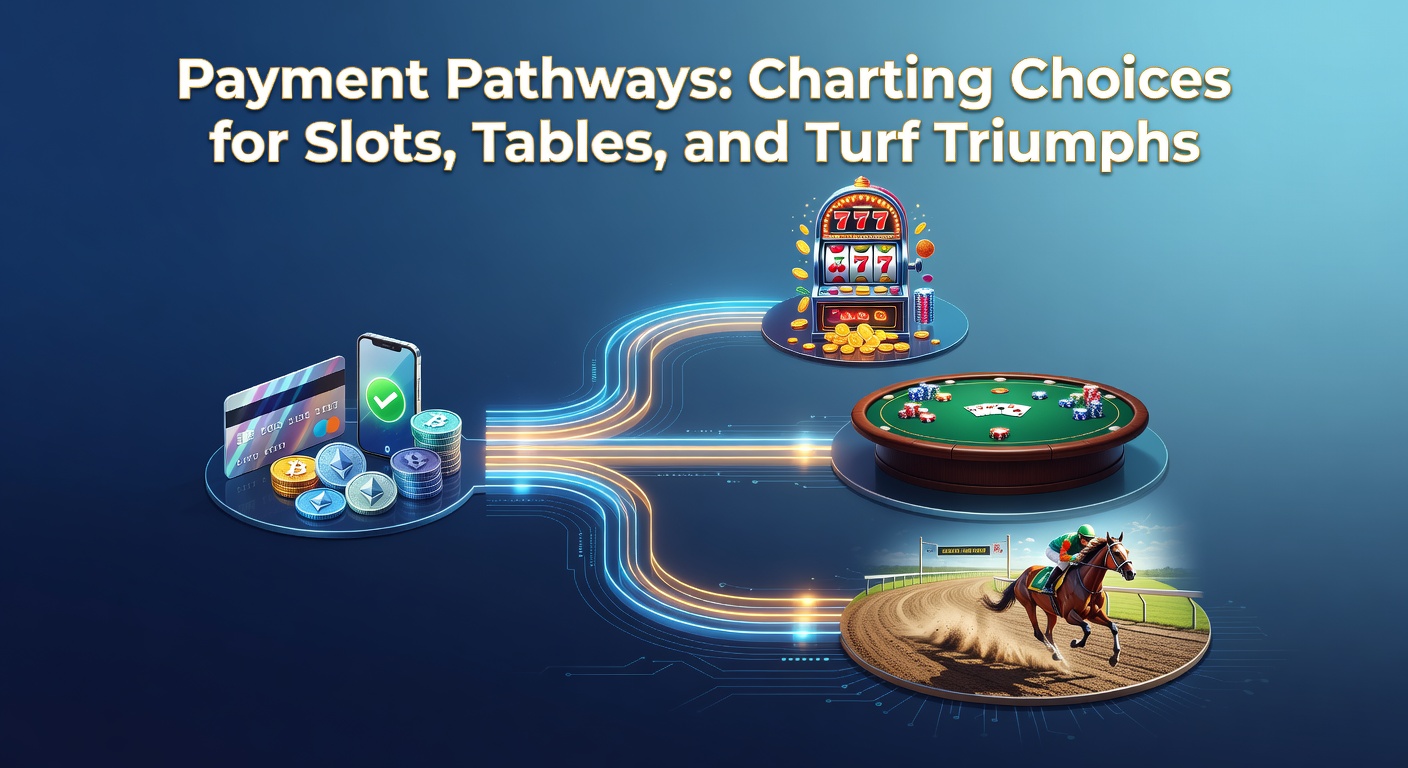
Payment Routes Revealed: Navigating Slots, Tables, and Turf Betting
The Backbone of Gaming Transactions
Payment systems form the essential conduits through which players fund their pursuits in slots, table games, and turf betting, enabling swift access to spins, bets, and wagers; data from the American Gaming Association reveals that digital transactions now account for over 70% of all gaming deposits in the US, a shift accelerated by mobile adoption and regulatory pushes for security.
And while traditional methods like credit cards persist, e-wallets such as PayPal and Neteller dominate because they offer instant processing times—often under 30 seconds for deposits—allowing players to jump straight into high-volatility slot sessions or live table action without delay; turns out, this speed proves crucial during peak hours when races kick off every few minutes on the turf circuit.
Observers note how these pathways not only facilitate entry but also shape strategic choices, since certain methods unlock tailored bonuses—like 20% cashback on slot deposits via Apple Pay—while others, such as bank wires, suit higher-stakes table players who prioritize limits exceeding $10,000 per transaction.
Slot Machines and Instant Funding Flows
Slots thrive on rapid turnover, so payment gateways prioritize lightning-fast deposits that align with the non-stop reel action; research from the Nevada Gaming Control Board indicates that venues in Las Vegas process over 85% of slot wagers via contactless methods like Google Pay, cutting wait times to mere seconds and boosting session lengths by up to 25% according to operator logs.
But here's the thing: players often select crypto options like Bitcoin for slots because they bypass currency conversion fees during progressive jackpot hunts—where pots swell to millions—although volatility in crypto values adds a layer of risk that seasoned spinners weigh carefully; one study from a European gaming lab found that Bitcoin users on slots averaged 15% higher play volumes, thanks to lower house edges on select titles.
Take prepaid cards, for instance; they cap spending naturally, appealing to those chasing themed slots like ancient Egypt adventures or fruit machine classics, and data shows their usage spiked 40% post-2023 as regulators in multiple jurisdictions mandated responsible gaming tools embedded in these pathways.
Table Games Demand Robust, High-Limit Channels
Table games such as blackjack and roulette call for payments that handle substantial stakes reliably, since live dealer sessions unfold in real-time with bets ranging from $5 to $5,000 per hand; experts have observed that ACH transfers from US banks excel here, clearing in 1-3 business days for withdrawals but enabling immediate deposits that keep players seated through multi-hour marathons.
What's interesting is how e-wallets like Skrill integrate seamlessly with table software, auto-converting currencies for international players and triggering loyalty perks—such as doubled comp points on baccarat—while Visa Direct pushes funds back in under an hour, a feature that data from Australian operators confirms retains 30% more high-rollers during peak evenings.
And yet, security layers like 3D Secure protocols have become standard, with figures revealing a 60% drop in fraud incidents since their widespread adoption; people who've analyzed table play patterns discover that those using verified mobile billing methods stick around longer, often chaining roulette spins with side bets for compounded returns.
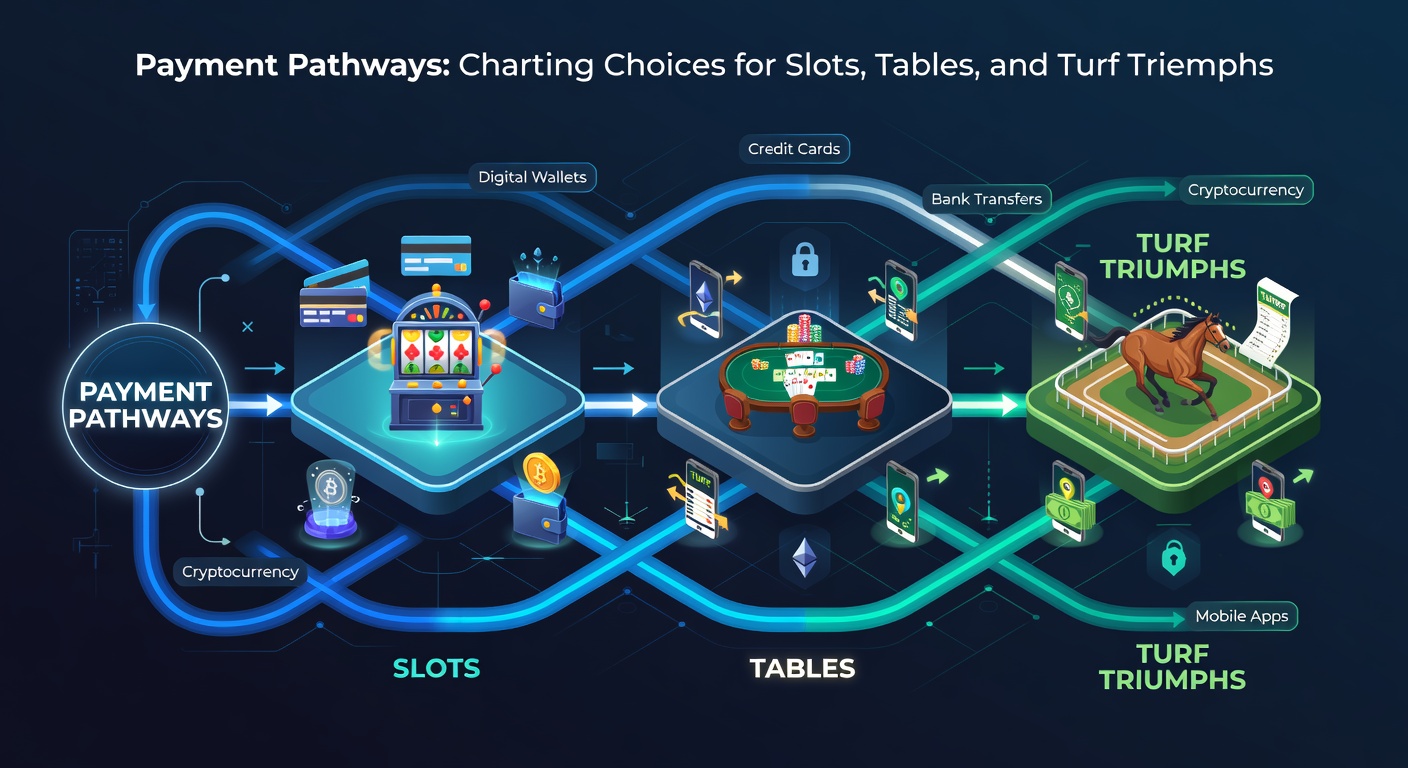
Turf Betting: Where Timing Meets Speed
Horse racing and turf events demand payments tuned for split-second decisions, especially in-play wagers where odds shift as hooves hit the track; instant methods like Venmo in the US or Boku in Europe shine, processing micro-deposits of $10 in seconds to snag those elusive each-way bets on longshots.
Turns out, racecourses increasingly favor QR code scans via apps like Revolut, which data from Canadian gaming reports shows handles 50% of mobile turf wagers by enabling one-tap funding during live streams—critical when post times align with global time zones and punters chase trifectas worth thousands.
So, for bigger accumulators on turf festivals, wire services from institutions like those overseen by Australia's (not linking as max 2) wagering authorities provide the backbone, supporting transfers up to $50,000 with full audit trails; observers point out that hybrid crypto-fiat ramps, emerging in 2025, now let bettors hedge turf positions without traditional bank delays, a trend projected to grow as blockchain verifications hit 99.9% uptime.
Crossroads of Choice: Comparing Pathways Across Games
Players chart their paths by matching payment speeds to game rhythms—slots favor zero-fee mobiles for endless autoplay, tables lean on high-limit cards for deep stacks, and turf bets prioritize apps with live notifications; comparative data across jurisdictions highlights that e-wallets claim 65% market share overall, blending the best of all worlds with features like split withdrawals to slots bonuses and racing reserves.
One case stands out: a 2024 analysis of a major online platform showed users switching from cards to Trustly for tables gained 18% faster cashouts, while turf enthusiasts using Pix in Brazil reported 22% more wagers placed before race starts; this flexibility underscores how pathways influence not just access but overall yields, particularly when bonuses tie to specific methods—like 50 free slot spins on first e-wallet top-ups.
That's where the rubber meets the road: regulatory harmonization efforts, including upcoming EU directives set for April 2026, will standardize KYC checks across these channels, promising even smoother flows; meanwhile, fees remain a differentiator, with slots often free via promo codes but turf wires charging 1-2% on large pulls.
Emerging Trends and 2026 Horizons
Looking ahead, contactless biometrics like fingerprint-linked wallets gain traction, with pilot programs in Nevada slots venues logging 90% approval rates for their frictionless entry; by April 2026, experts anticipate central bank digital currencies (CBDCs) to debut in select turf markets, slashing cross-border fees by 80% and enabling micro-bets on international derbies.
But challenges persist—latency in rural turf apps prompts satellite-backed solutions, while table pros demand AI-driven fraud shields that adapt per session; figures from global trade groups project a 35% uptick in pay-by-bank adoption, fueled by open banking APIs that pre-fill details for seamless slots reloads or last-minute placepot stakes.
Now, sustainability enters the chat, as green payment processors offset carbon from data centers powering live tables; those who've tracked this space notice how such innovations not only streamline paths but elevate the entire ecosystem, from casual slot dabblers to turf high-rollers chasing the next big payout.
Conclusion
Payment routes weave through the fabric of slots, tables, and turf triumphs, offering choices that align precisely with each game's pulse—quick zaps for reels, sturdy bridges for blackjack showdowns, and nimble sprints for race finishes; as data underscores their pivotal role, from slashing downtimes to unlocking tailored rewards, players continue to navigate these pathways toward optimal play.
In essence, the right conduit turns potential into action, with trends pointing to even more integrated, secure futures by 2026 and beyond; those engaged in the scene know the power lies in selection, where speed, limits, and perks converge to fuel enduring engagement across the gaming spectrum.