Payment Pathways Uniting Mobile Slot Jackpots with Live Casino Surges and Sports Betting Streaks
Jonas Schröder · Jun 4, 2026

Payment Pathways Uniting Mobile Slot Jackpots with Live Casino Surges and Sports Betting Streaks
Payment systems have evolved to create direct connections between reel-based jackpot mechanisms, live dealer table momentum, and handheld sports betting sequences, allowing funds to move fluidly across these formats without separate account transfers. Digital wallets and instant banking tools now route deposits in ways that credit progressive reel wins straight into live table sessions or accumulator streaks, and operators track these flows through unified ledgers that update balances across platforms in real time.
Integrated Funding Structures Across Game Types
Modern transaction layers link slot progressives to live roulette or blackjack surges by treating all balances as a single pool accessible via mobile interfaces, which means a jackpot payout from reels can fund an immediate table buy-in while the same account tracks in-play sports wagers. Operators implement API bridges that synchronize these elements so that a winning streak on one vertical automatically qualifies the balance for bonuses tied to another, and data from transaction logs shows increased cross-play when funding occurs through e-wallets rather than card methods.
Studies from the University of Nevada, Las Vegas Center for Gaming Research indicate that mobile users who employ instant funding options complete more transitions between slot sessions and live dealer tables within single login periods. These patterns emerge because the systems eliminate delays that once required manual withdrawals and redeposits, and similar findings appear in reports covering North American markets where handheld devices dominate access.
Mobile-Specific Transaction Features
Handheld environments rely on biometric authentication paired with tokenized payments that authorize transfers between reel jackpots and live table surges in under three seconds, which keeps momentum intact during betting streaks on sports markets. Applications push notifications that flag when a progressive reel hit can roll into a live dealer round or an accumulator boost, and backend systems adjust odds displays accordingly based on available funded balances.
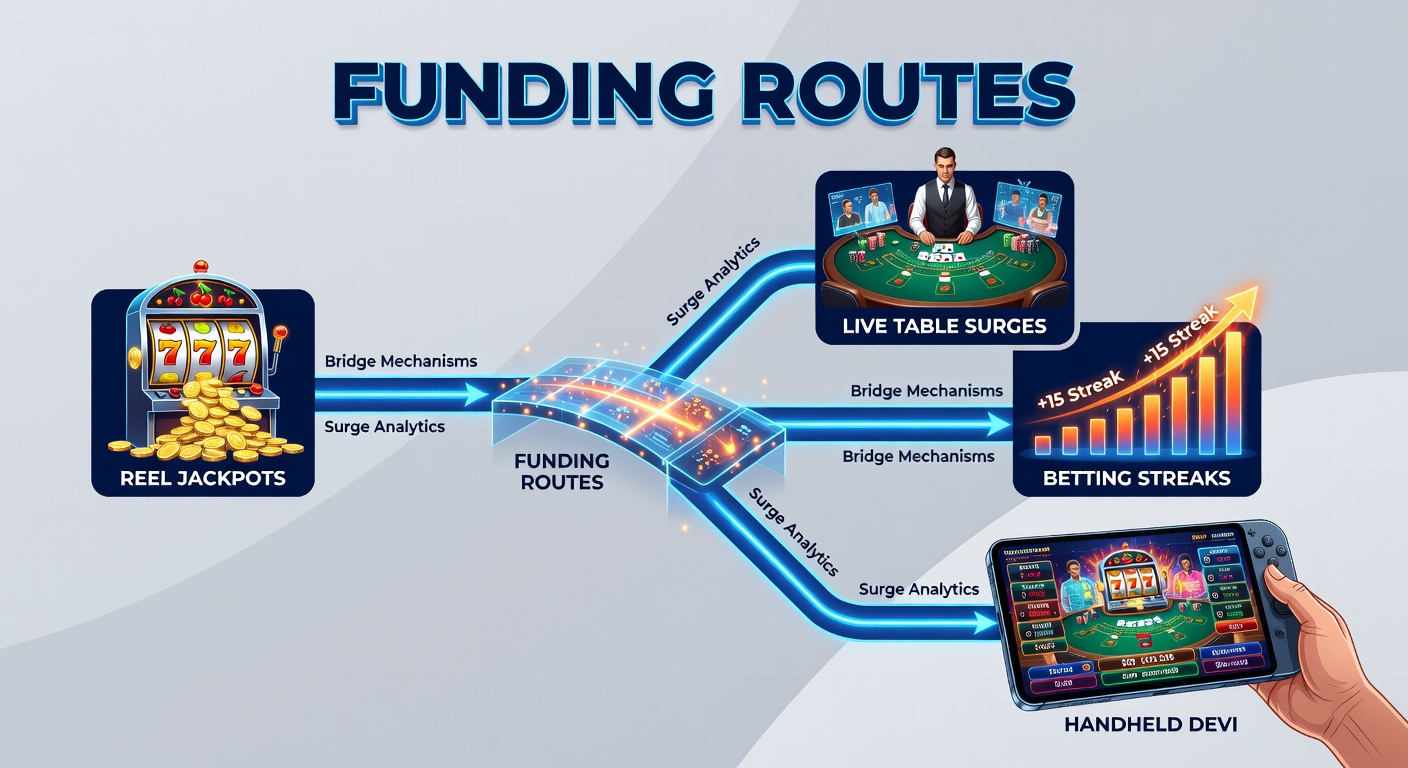
Payment processors such as those operating in Australian regulated markets have introduced features where a single deposit activates eligibility for linked rewards across slots, tables, and sports, and records from June 2026 forward show rising adoption rates for these unified pathways. The setup reduces friction that previously separated verticals, allowing players to maintain streaks without leaving the mobile session.
Regulatory and Market Data Influences
Canadian provincial regulators, including those in Ontario, have documented how instant funding tools affect player movement between game categories, with figures revealing that e-wallet usage correlates with higher volumes of live table participation following slot jackpots. Industry associations in the same region note that sports betting streaks on handheld devices often draw from balances originally funded during reel sessions, creating measurable chains of activity across operators.
Academic analyses from Australian universities tracking digital gambling behaviors confirm that multi-vertical funding routes expand the duration of combined play sessions, and these connections rely on secure encryption layers that protect transaction histories while permitting seamless balance updates. Observers note that such integrations appear more frequently in jurisdictions with updated licensing frameworks that accommodate cross-product payment rails.
Future Developments in Unified Payment Routes
Projections for continued expansion through 2026 highlight further refinements in real-time settlement that will tie reel jackpot distributions directly to live table minimums and sports market entries on portable devices. System upgrades already underway aim to embed conditional triggers where a sports betting surge can retroactively influence table game bonuses funded from prior reel wins.
These developments build on existing infrastructure that already supports the described funding bridges, and market reports from European gaming bodies outside the UK track similar adoption curves in handheld environments.
Conclusion
The pathways described demonstrate how payment technologies have restructured access across reel jackpots, live table surges, and betting streaks on handheld devices by enabling instant, unified balance management. Data from multiple regulatory and academic sources continues to map these connections, showing consistent patterns of cross-vertical activity driven by the efficiency of modern funding tools.