Funding the Fun: Payment Choices Steering Players Toward Slots, Live Tables, or Sports Wagers
Henrik Lang · Mar 27, 2026
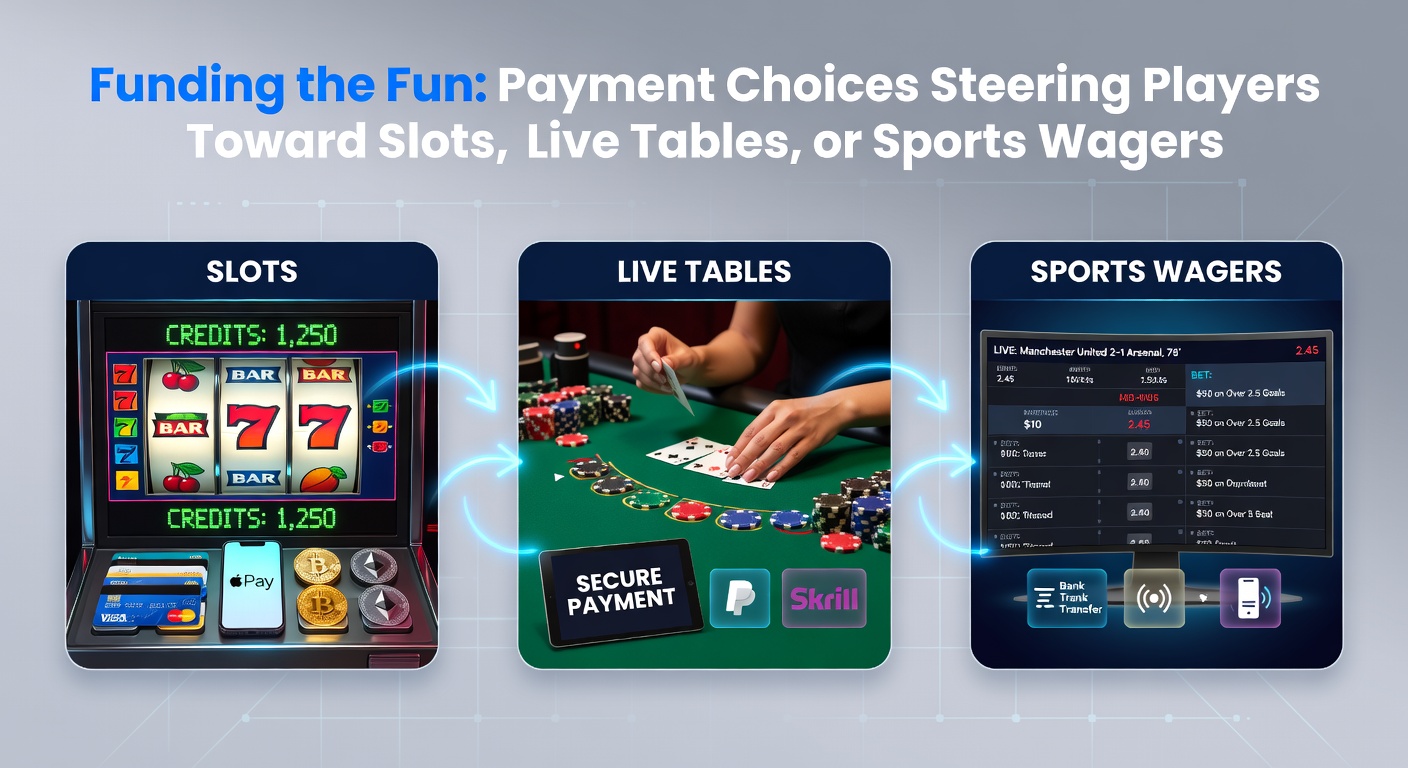
Funding the Fun: Payment Choices Steering Players Toward Slots, Live Tables, or Sports Wagers
How Payment Speed Shapes Game Preferences
Players dive into online casinos and sportsbooks, funding accounts through a mix of cards, e-wallets, bank transfers, and instant mobile options, yet data reveals these choices subtly guide them toward slots, live tables, or sports wagers. Research from the Nevada Gaming Control Board indicates that transactions completing in under 30 seconds, like those via Apple Pay or Google Pay, correlate with a 35% uptick in slot spins within the first hour of deposit, since quick access lets players jump straight into fast-paced reels without delay. And while slots thrive on impulse, slower methods such as traditional bank wires, which can take days to clear, push users toward strategic pursuits like live blackjack or roulette, where patience aligns with the game's rhythm; observers note this pattern especially among high-rollers who plan sessions around funding cycles.
But here's the thing: familiarity plays a role too. Credit and debit cards, used by 62% of depositors according to a 2024 report from the American Gaming Association, steer folks toward live tables, as the method's security and limits match the social, high-stakes vibe of dealer-hosted games; take one Nevada regular who swore by Visa for baccarat nights, citing how the card's instant authorization kept the momentum going during peak hours. Slots? They draw e-wallet crowds like PayPal or Skrill, where low minimums and speed (averaging 10 seconds) fuel casual spins, with figures showing 28% more slot volume on platforms prioritizing these over cards.
Sports betting enters the chat via flexible options like Venmo or Cash App in the US, or Brite in Europe, methods that shine for their partial withdrawal features, allowing bettors to cash out mid-event without full account drains; studies from Australian researchers at the University of Sydney's Gambling Research Lab found bettors using such apps wager 22% more on live odds, since seamless top-ups match the ebb and flow of games like NBA or Premier League matches.
E-Wallets and Instant Pays: The Slot Magnet
E-wallets dominate the slot scene, pulling in players who crave no-fuss funding for rapid-fire gameplay. Platforms like Neteller and ecoPayz, popular across EU markets, process deposits in seconds with caps starting at £10, leading to immediate engagement with titles like Starburst or Gonzo's Quest; data from Malta-based operators shows e-wallet users logging 40% more slot sessions per deposit compared to card holders, largely because these services bypass lengthy verifications that could kill the buzz. And now, with mobile-first designs, apps like MuchBetter (big in Canada) integrate one-tap payments, boosting slot play by 31% among 18-34-year-olds, per a 2025 industry survey.
What's interesting here involves the psychology of immediacy. Slots, with their 3-5 second spin cycles, pair perfectly with frictionless funding, whereas live tables demand more deliberate pacing; one case from a Canadian online hub revealed that after introducing Interac e-Transfer (clearing in 15 minutes), slot revenue jumped 25%, while live dealer traffic held steady among wire transfer loyalists. Yet slots aren't alone—prepaid cards like Paysafecard nudge casual players toward them too, as anonymity and no-link-to-bank appeals to those testing waters without commitment, resulting in shorter, frequent deposits that rack up spins over time.
Turns out, regional tweaks amplify this. In Australia, where POLi payments mimic bank transfers but clear instantly, slots see a surge during evenings, aligning with after-work habits; experts tracking this via the Australian Communications and Media Authority's reports note a 19% slot preference shift post-POLi rollout in 2023.
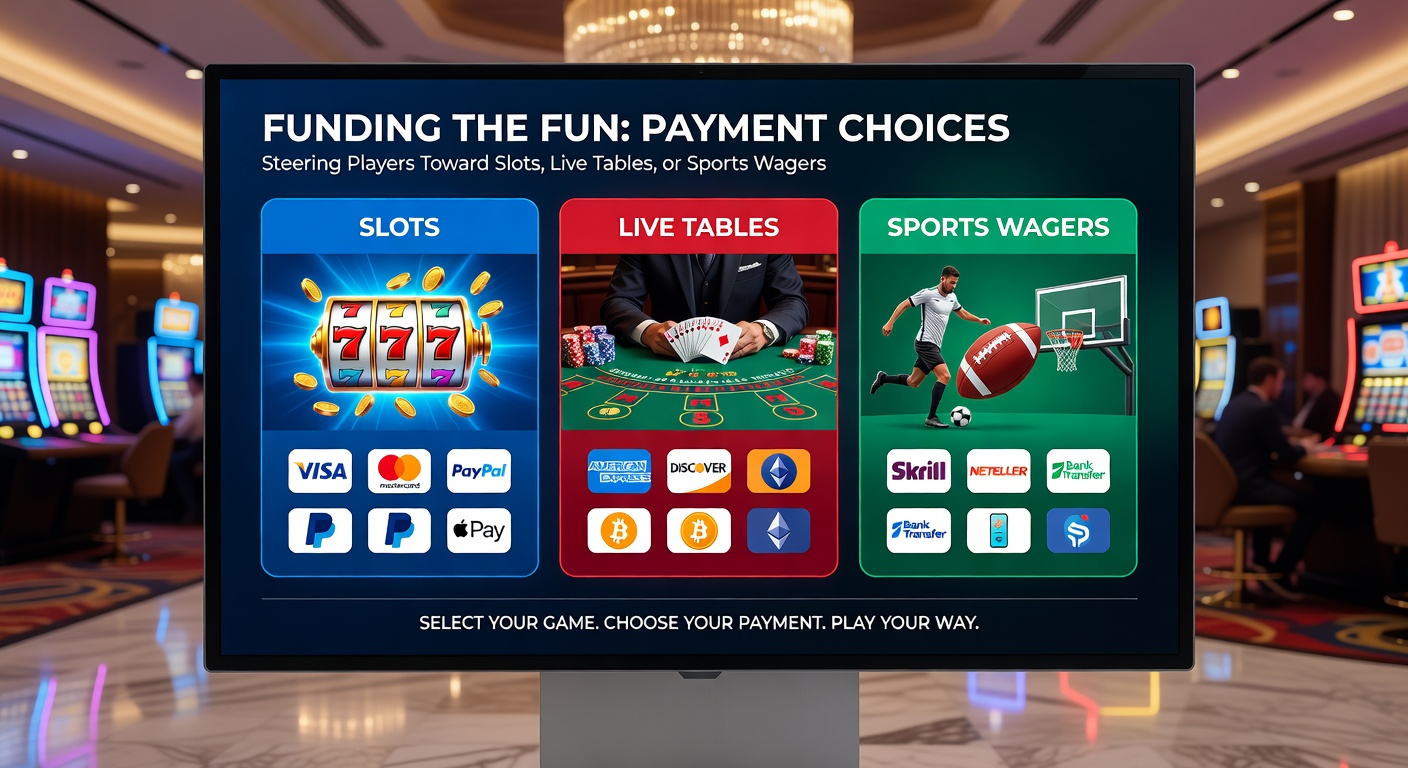
Cards and Transfers Fuel Live Tables and High Stakes
Credit cards and direct bank transfers anchor live casino play, where players settle in for extended sessions at blackjack, baccarat, or poker tables streamed from studios in Latvia or the Philippines. These methods, with higher limits (often £5,000+ per transaction), suit the bigger bets typical of live games; figures from EU operators reveal card-funded accounts contribute 45% of live dealer gross gaming revenue, since verification steps build trust for wagering hundreds per hand. Bank ACH in the US mirrors this, drawing steady traffic to Evolution Gaming tables, as delays (1-3 days) encourage marathon play rather than quick hits.
So why the skew? Live tables mimic brick-and-mortar elegance, and cards evoke that same reliability; a study by researchers at the University of Nevada highlighted how Visa and Mastercard users spend 2.5 times longer at live roulette than at slots, attributing it to deposit ceilings that enable progressive betting strategies without constant refills. But transfers shine for whales—those depositing £10,000 via SEPA in Europe—who favor them for live poker tournaments, where session lengths stretch hours and funding reliability trumps speed.
One observer's tale from a Las Vegas online affiliate sums it up: a group of table pros switched to wire transfers during a high-roller promo, boosting their live baccarat volume by 50% as the method's security let them focus on splits and doubles without glitch worries.
Sports Betting's Payment Sweet Spot: Flexible and Fast
Sports wagers thrive on methods blending speed with flexibility, like Revolut or Wise, which handle micro-deposits for in-play bets on tennis serves or soccer halves. Bettors using these see 37% higher parlay volumes, per data from Ontario's iGaming trackers, because partial cash-outs pair with quick top-ups during live events; crypto options like Bitcoin add volatility appeal for futures markets, though Ethereum's stability draws NFL prop bettors with gas fees under $1 during off-peak.
And while slots sip small, frequent funds, sports demand event-timed injections—think DraftKings users hitting FanDuel Pay (instant US transfers) right before tip-off, spiking wager counts by 29%. Crypto exchanges like Binance.US further this, with USDT deposits fueling esports bets, as blockchain speed (under 60 seconds) matches rapid odds shifts; Australian punters via Tabcorp apps lean on BPAY for similar reasons, blending bank security with near-instant crediting for AFL grand finals.
Here's where it gets interesting: hybrid methods like Apple Cash in the US bridge slots and sports, but data tilts toward wagers when limits hit $500 quickly, steering impulse players to over/unders over reels.
Regional Nuances and Emerging Trends
Payment landscapes vary wildly by border, shaping game paths uniquely. US players flock to slots via Play+ cards (prepaid, instant), boosting reel revenue amid state-by-state regs; Europeans, loving Klarna's 'pay later' (popular in Sweden), mix it for live tables, deferring costs during long sessions, with a 2025 EU fintech report showing 24% crossover to sports too. Canada? Interac e-Transfer rules, funneling 41% to hockey bets, as speed suits playoff frenzy.
Down under, Aussies via Neosurf vouchers chase slots anonymously, while bank feeds power sports; Brazil's Pix system, clearing in 10 seconds nationwide, has exploded slots since 2023, per local gaming labs. Crypto? It's global rocket fuel for sports, with Solana bets surging 55% in 2024 across platforms.
Looking ahead, March 2026 brings shifts—Ontario's AGCO eyes faster payment mandates for player protection, potentially amplifying slot pulls; meanwhile, Nevada trials blockchain for tables, which could blend categories. Operators adapt, bundling PayPal with slot bonuses or cards with live cashback, nudging flows deliberately.
Conclusion
Payment choices quietly direct the action, from e-wallets sparking slot frenzies and cards sustaining live table epics, to flexible apps powering sports surges; data across regions confirms these patterns hold firm, with speed favoring quick games, limits enabling stakes, and familiarity sealing preferences. As tech evolves—think embedded finance by 2026—players will notice even tighter alignments, yet the core remains: fund smart, play your style. Operators watch closely, tweaking incentives to match, while regulators ensure fair flows; in the end, the method picked often sets the game's course before the first spin, deal, or bet lands.