Digital Asset Flows in Apps With Random Outcome Games, Live Broadcasts, and Forecast Markets
Felix Schröder · Jun 18, 2026
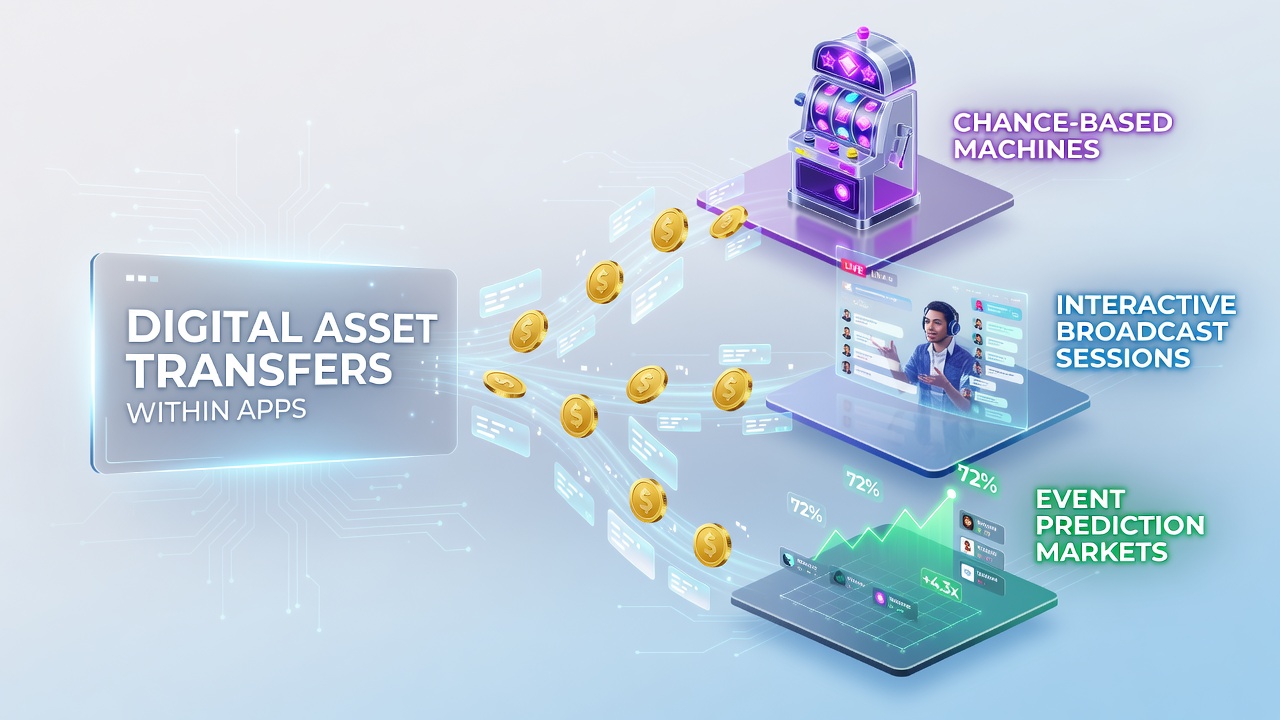
Digital Asset Flows in Apps With Random Outcome Games, Live Broadcasts, and Forecast Markets
Digital asset transfers have become a standard feature inside applications that combine chance-based machines, interactive broadcast sessions, and event prediction markets. Users move cryptocurrencies or tokenized balances between personal wallets and platform accounts to fund spins on random outcome reels, participate in real-time streamed dealer tables, or place stakes on upcoming match results. Payment rails built on blockchain networks handle these movements with varying confirmation times and fee structures that depend on network congestion and asset type.
Mechanics of Transfers for Chance-Based Machines
Chance-based machines require quick deposit confirmations so play can begin without delay. Platforms supporting these games typically integrate multiple wallet protocols that accept stablecoins and major cryptocurrencies. Once a transfer reaches the required number of confirmations the balance appears in the user account and becomes available for reel spins or bonus rounds. Network fees fluctuate with overall blockchain activity so users often select assets with lower transaction costs during peak periods. Several operators now batch smaller transfers to reduce cumulative expenses while maintaining compliance with anti-money laundering thresholds that apply across jurisdictions.
Handling Assets During Interactive Broadcast Sessions
Interactive broadcast sessions add another layer because participants place wagers while watching live streams. Transfers must clear fast enough for viewers to join ongoing tables or enter side bets that appear during the broadcast. Some applications offer in-stream deposit prompts that generate a unique address or QR code so users can send funds without leaving the viewing interface. Observers note that latency between broadcast and settlement can affect the timing of live decisions yet most systems buffer a short grace period to accommodate slower chains. Data from industry reports show increased adoption of layer-two scaling solutions that cut confirmation times to seconds rather than minutes.
Asset Movement in Event Prediction Markets
Event prediction markets rely on accurate pricing that updates as new information arrives. Digital asset transfers feed liquidity into these markets by allowing users to buy or sell outcome tokens directly. Smart contracts often automate settlement once an event concludes so winners receive payouts without manual intervention. Transfers into prediction pools must arrive before market close to count toward final odds calculations. Research from the American Gaming Association indicates that platforms using automated oracle feeds have reduced settlement disputes by linking transfer records directly to outcome verification.
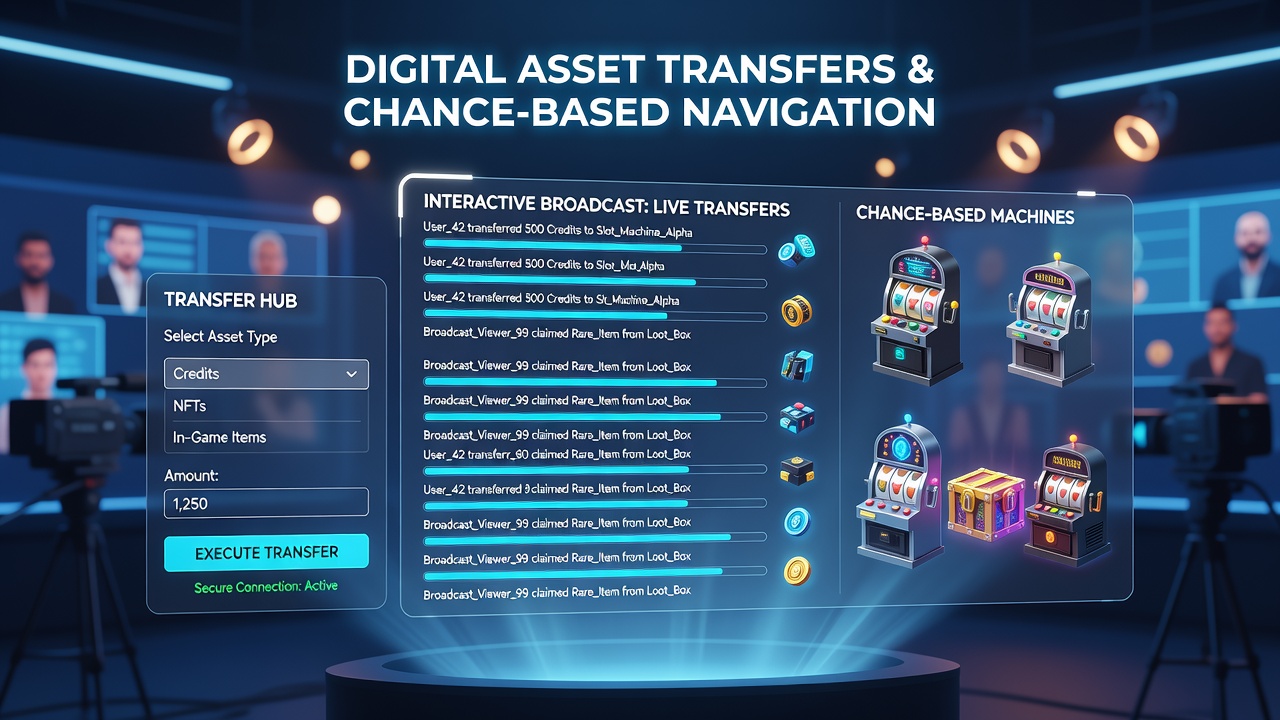
June 2026 brought revised guidelines in several regions that clarified how tokenized assets qualify as monetary value inside gaming applications. These updates require platforms to maintain separate ledgers for player funds and operational reserves while providing users with real-time balance visibility. Applications that offer all three product types now synchronize wallet states across chance machines, broadcast tables, and prediction interfaces so a single transfer can support activity in any category. Multi-signature approval flows and time-locked withdrawals appear more frequently as operators seek to meet emerging custody standards without slowing routine play.
Security and Compliance Considerations
Security practices around these transfers include address whitelisting, transaction monitoring algorithms, and periodic audits of smart contract code. Users receive transaction receipts that include both on-chain hashes and platform reference numbers for cross-checking. Regulatory bodies in Australia and parts of North America have issued guidance requiring disclosure of all fees before a transfer completes. This transparency helps users compare total costs across different assets and networks. Applications that combine multiple game categories must apply consistent verification steps regardless of whether funds head toward reel spins, streamed dealer action, or forecast positions.
Wallet recovery procedures form another practical element. When private keys are lost or devices fail, recovery options range from seed phrase restoration to institutional custody arrangements. Platforms that support prediction markets often maintain insurance pools to cover certain loss scenarios while chance-based and broadcast products rely more on individual user responsibility. Figures released by the Australian Gambling Research Centre highlight that education campaigns about seed phrase management correlate with fewer support tickets related to inaccessible balances.
Conclusion
Digital asset transfers inside applications offering chance-based machines, interactive broadcast sessions, and event prediction markets continue to evolve alongside blockchain infrastructure and regulatory frameworks. Operators synchronize systems so users can move value seamlessly between product types while meeting verification requirements that differ by jurisdiction. Continued improvements in transaction speed and cost management support broader participation across all three categories without compromising record-keeping standards that protect both platforms and users.