Algorithmic Incentive Structures Bridging Casino Jackpots and Betting Markets
Jonas Schröder · Aug 25, 2026

Algorithmic Incentive Structures Bridging Casino Jackpots and Betting Markets
Data indicates that modern gaming platforms deploy algorithmic systems to distribute personalized rewards, tracking activity across slots, live roulette, and mobile sports accumulators in coordinated sequences. These mechanisms assign value to spins, table decisions, and wager combinations, then route portions of that value into subsequent sessions on different verticals. Industry reports from August 2026 recorded increased deployment of such cross-product trails, with operators citing retention metrics that rise when players move between game categories under unified bonus logic.
Core Mechanics of Reward Tracking
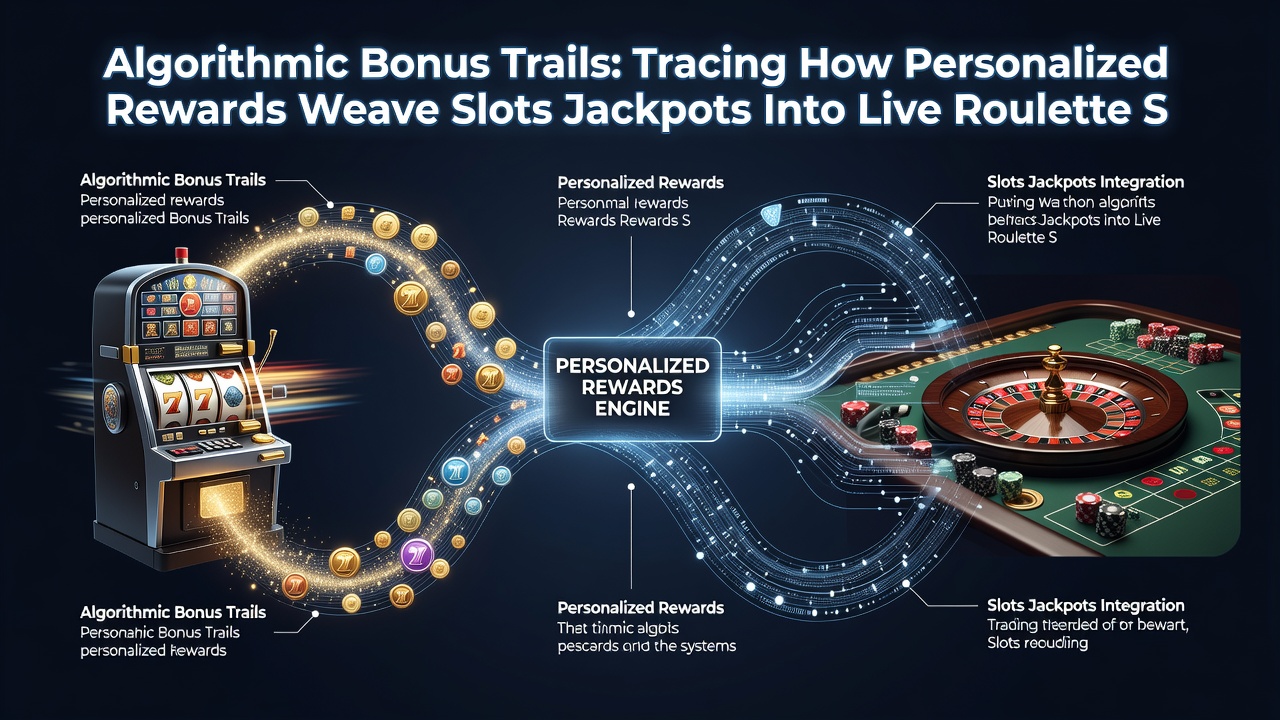
Systems record every qualifying action, from reel combinations that trigger jackpot contributions to roulette outcomes that meet multiplier thresholds, then apply weighted calculations that determine eligibility for later offers. A player completing a slots session may receive credit that activates during live dealer roulette, where the same algorithmic layer adjusts payout tables or side-bet availability. Observers note that the underlying code treats each product as a node in a larger graph, passing accumulated points or multipliers along predefined edges that connect slots jackpots to accumulator selections in sports markets.
Slots Jackpots as Entry Points
Progressive jackpot pools in slots titles feed directly into the reward ledger, with portions of each bet allocated to both the main prize and secondary bonus trails. When a player hits a jackpot or reaches a near-miss threshold, the system logs the event and assigns a follow-on token usable in live roulette or mobile sports sections. Research from the University of Nevada Reno shows these trails increase session length by linking immediate jackpot excitement to extended play across formats. University of Nevada Reno studies document measurable upticks in cross-product engagement when operators activate such linkages.
Live Roulette Integration Points
Live dealer platforms receive data streams from slots activity, enabling dynamic adjustment of table limits, bet types, or bonus rounds based on prior jackpot participation. A roulette player who previously triggered a slots trail may see enhanced payout options on even-money bets or access to progressive side bets funded by the same algorithmic pool. Figures from the European Gaming and Betting Association reveal that operators using these integrations report higher average bet values during live sessions when players arrive with active trails from slots.
Mobile Sports Accumulators and Continuation Trails
Accumulator bets on mobile apps serve as terminal nodes for many reward paths, where credits earned in slots or roulette convert into stake boosts or cashback on multi-leg selections. The algorithmic layer evaluates risk profiles from earlier casino play to calibrate accumulator odds or add insurance features on certain legs. Data released in August 2026 indicated that sportsbooks incorporating these trails experienced elevated handle on accumulator products, particularly during major league seasons when cross-promotion with casino verticals intensified.
Data Flow and Compliance Layers
Each transfer of value between products passes through compliance checkpoints that log player identity, jurisdiction, and spend thresholds. Regulatory frameworks in multiple regions require operators to maintain transparent records of how algorithmic decisions affect bonus eligibility across verticals. Those who have studied these systems note that audit trails must demonstrate consistent application of rules whether the player originates in slots, moves to roulette, or concludes in sports accumulators. Responsible Gambling Council reports emphasize the need for clear disclosure of such mechanics to maintain player trust.
Technical Implementation Patterns
Operators build these connections through centralized player accounts that serve as repositories for all trail data, while real-time APIs push updates between game servers. Slots servers push jackpot contribution events to a central engine, which then queries roulette and sports modules for compatible offers. The process runs continuously, updating eligibility scores after every resolved bet or spin without requiring separate player action. Case studies from platform providers illustrate that latency remains under one second when trails activate across mobile and desktop environments.
Conclusion
Algorithmic bonus trails function as connective tissue between slots jackpots, live roulette sessions, and mobile sports accumulators by converting activity in one product into opportunities in others. Records from August 2026 and subsequent industry analyses confirm that these systems operate through shared data layers and compliance protocols that span multiple regulatory environments. The structure allows operators to maintain unified player ledgers while routing rewards along defined pathways that link jackpot mechanics to table games and accumulator markets.